Dear Friends of Hollywood Farms,
Hollywood Farms was originally named “Hollywood Plantation” in 1838 by the first land grant recipient, John Chapman. He chose the name because of the American holly trees that still cover nearly a quarter of the property.
At that time, the land was all timber. Chapman turned it into a working farm, growing tobacco, cotton, peanuts, corn, and other crops on soil that is mostly deep sand and sandy loam, with some clay on the hills that fall toward Palmetto Creek.
Our great grandfather later purchased the house from the second owner, a doctor who retained the farmland and sharecropped it with local families. Those families lived across the property, which is why many of our fields still carry their names today.
The Tip Farm, the Gates Place, the George Chapman Field, and the Bessie Hughes place all come from that history.
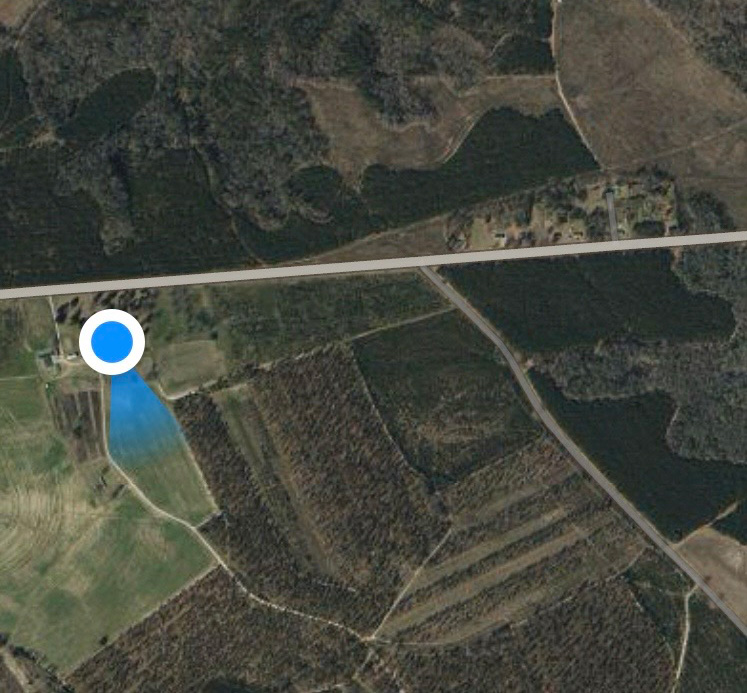
But the land in the middle, closest to the house, never really had a name. It was simply known as “the big field.”
Today, we call that land Bel Aire, and it has become one of the prettiest quail courses on the farm.
Its story is a long one.

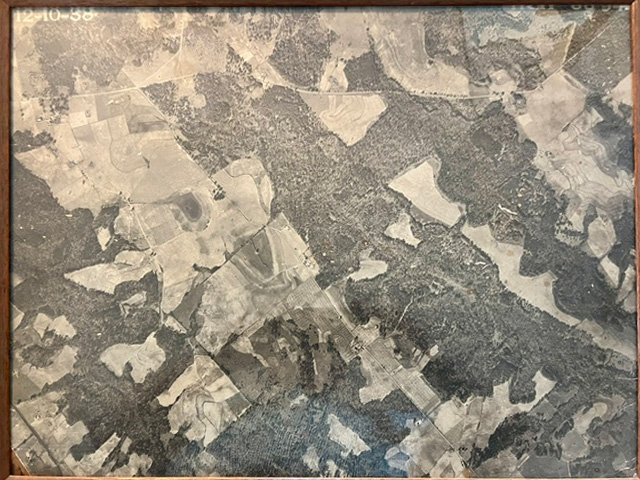
This photograph below hanging in the house shows the big field as it looked in 1938. We believe this land had been in cropland since around 1850, when the house was built.
Our great grandfather continued sharecropping. Later, our grandfather and grandmother operated a dairy farm. Much of the land stayed in crops, with some areas used as pasture into the 1950s.
Then came federal programs like the Soil Bank and later the Conservation Reserve Program in the 1960s. These programs encouraged landowners to plant pasture or trees on marginal farmland.
While well intentioned, they had a major impact on quail.Field edges, hedgerows, and “messy” places were replaced with bermuda grass and pine plantations. These shaded out the native weeds and forbs that quail depend on for nesting and brood cover.
The result was simple.
Between 1955 and 2009, usable quail habitat on this land nearly disappeared.

Today, Bel Aire has come back. It is now one of our best courses for holding strong coveys.
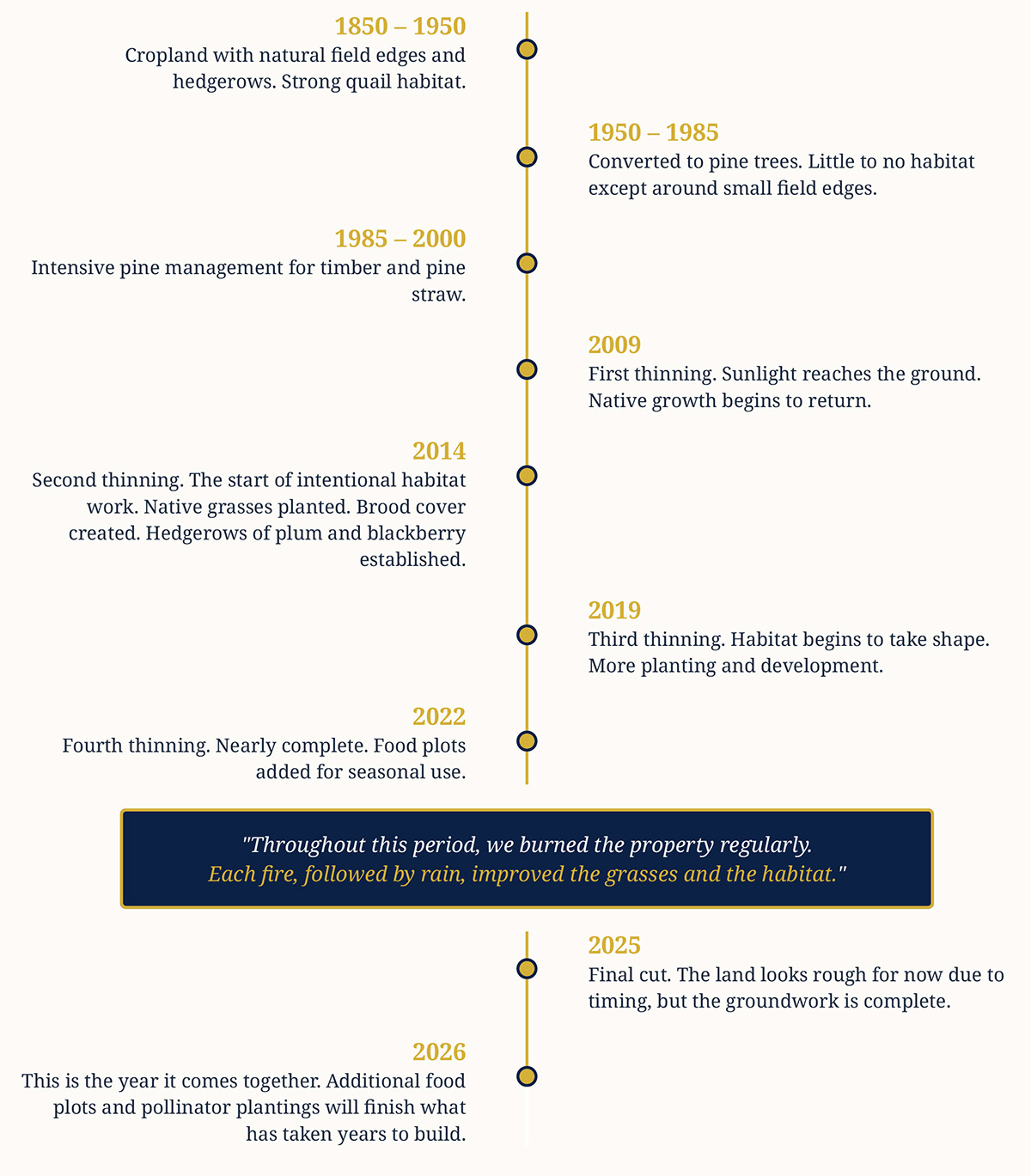
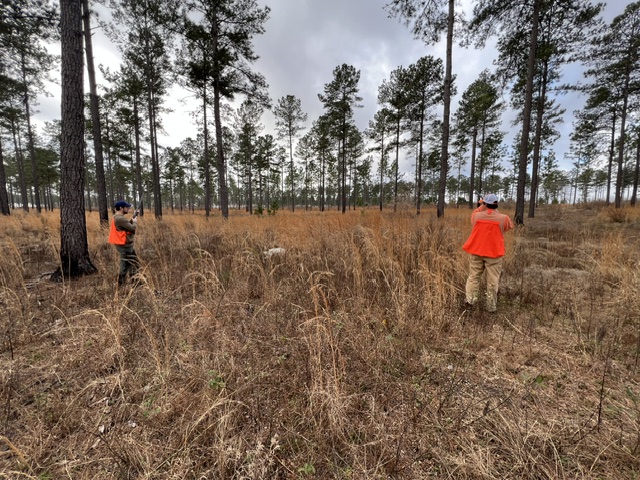
If you have read this far, you understand what we mean when we say habitat management is generational work.
It takes time. Often 15 to 30 years. Sometimes longer.
But when it comes together, it is worth it.
We have done this work for our family, and for the generations that will follow.
If you have hunted with us, you are part of that family. We look forward to having you back.
If you have not been yet, we would love to show you what this place has become.
Now is the time to book for the 2026–2027 season.
Our family is growing, and dates will not last long.
Warmly,
Chuck Duggan & The Hollywood Farms Team